
Our members are dedicated to improving road safety and sharing their knowledge with the wider community. Here, you can explore our members' good practices – initiatives that have been assessed for their effectiveness in addressing a road safety problem and have proven results.
Get inspired – and sign up to share your good practices too!
Thursday, April 24, 2025
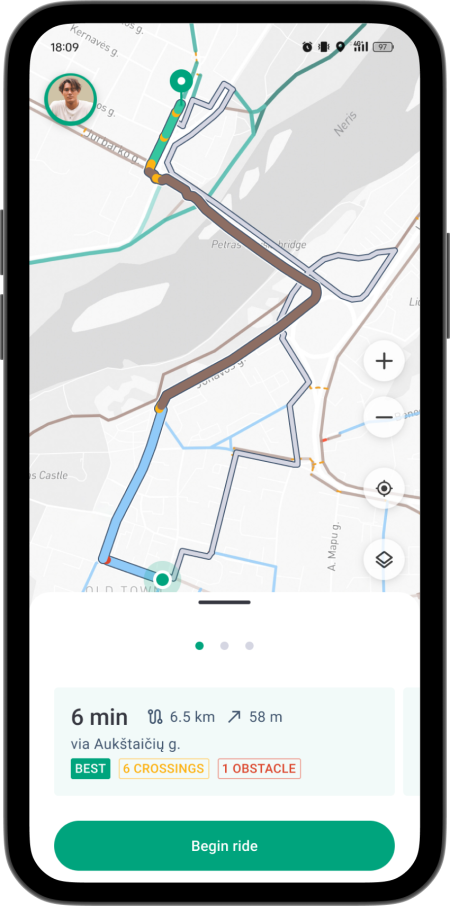
We've developed an app with a safe map for cycling. Routes are made according to quality of infrastructure (user, company gathered and municipalities info), hazards on the road.
Users can report bad infrastructure or good things about it and routes are calculated accordingly.
Users can report bad infrastructure or good things about it and routes are calculated accordingly.
Wednesday, April 23, 2025
Sicherheit im Straßenverkehr beginnt bei den Kleinsten. Kinder zählen zu den schwächsten Verkehrsteilnehmern, da sie Gefahren oft nicht richtig einschätzen können. Um sie frühzeitig und kindgerecht mit den Grundregeln der Verkehrssicherheit vertraut zu machen, wurde 2024 das Verkehrssicherheitsprojekt „Toni, der Verkehrsfuchs“ ins Leben gerufen.
Als schlaues und charmantes Maskottchen führt Toni Kindergartenkinder auf eine spannende Entdeckungsreise. Er vermittelt anhand eines Bilderbüchleins wichtige Verkehrsregeln auf Augenhöhe der Kinder: Ampel- und Zebrastreifen-Regeln, sicheres Überqueren der Straße, die Bedeutung von Sichtbarkeit im Straßenverkehr, die Notwendigkeit des Anschnallens im Auto
Als schlaues und charmantes Maskottchen führt Toni Kindergartenkinder auf eine spannende Entdeckungsreise. Er vermittelt anhand eines Bilderbüchleins wichtige Verkehrsregeln auf Augenhöhe der Kinder: Ampel- und Zebrastreifen-Regeln, sicheres Überqueren der Straße, die Bedeutung von Sichtbarkeit im Straßenverkehr, die Notwendigkeit des Anschnallens im Auto

Friday, April 18, 2025
QI MOBILITY è un format innovativo in quanto è un percorso di educazione stradale ed alla mobilità sostenibile innovativo. QI MOBILITY integra i tradizionali input di educazione stradale con gli SDGs dell’Agenda 2030 e le metodologie del project management.
Il format prevede 3 focus tenuti da docenti esperti dell’ambito, dei quali uno maggiormente incentrato sui temi dell’Agenda 2030, della sostenibilità, della mobilità sostenibile mentre gli altri due focus andranno ad affrontare le tematiche del rispetto delle norme del Codice della Strada e tutti i principali aspetti dell’educazione stradale. Il progetto è stato patrocinato da ISIPM, ASviS, Provincia e Comune di Lecce
Il format prevede 3 focus tenuti da docenti esperti dell’ambito, dei quali uno maggiormente incentrato sui temi dell’Agenda 2030, della sostenibilità, della mobilità sostenibile mentre gli altri due focus andranno ad affrontare le tematiche del rispetto delle norme del Codice della Strada e tutti i principali aspetti dell’educazione stradale. Il progetto è stato patrocinato da ISIPM, ASviS, Provincia e Comune di Lecce
Wednesday, April 16, 2025
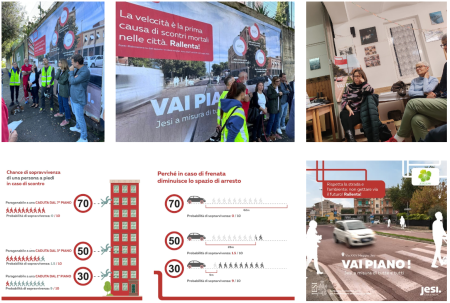
Una delle sfide principali riguarda una cultura radicata che privilegia l'uso dell'automobile, scoraggiando l'adozione di mezzi pubblici e di trasporti alternativi. Questo comportamento si riflette in un mancato rispetto delle normative del codice della strada. Inoltre, c'è una scarsa attenzione verso la protezione degli utenti più vulnerabili, come pedoni e ciclisti. Questo atteggiamento compromette la vivibilità della città, che viene vissuta più come un luogo di transito che come uno spazio di incontro e socializzazione.

Monday, April 14, 2025
We looked for solutions on how to improve the current situation regarding the availability of alcohol, its use and the prevention of drunk driving among young people in our and surrounding municipalities.