
Our members are dedicated to improving road safety and sharing their knowledge with the wider community. Here, you can explore our members' good practices – initiatives that have been assessed for their effectiveness in addressing a road safety problem and have proven results.
Get inspired – and sign up to share your good practices too!

Friday, May 30, 2025
Nextop Co-pilot is an intelligent driving assistant app designed to enhance road safety and operational efficiency for professional drivers. It operates fully offline using preloaded routes and special geofences to deliver real-time, on-edge audio alerts—no network connection required.
By combining GPS tracking with customizable geofence zones, the app provides precise voice guidance about critical road segments, including dangerous curves, steep downhills, speed limits, obstacle zones, and other risk areas. Fleet operators can personalize messages per route or region, offering context-aware advice that improves driver awareness and decision-making.
The solution also integrates vehicle health data, enabling real-time alerts for issues like overheating, brake wear, or system warnings—helping to prevent breakdowns and improve maintenance planning.
All processing happens directly on the device, ensuring fast, reliable alerts even in remote areas. Designed for fleets and logistics operations, Nextop Co-pilot empowers drivers with the information they need, exactly when they need it—boosting safety, compliance, and route efficiency.
By combining GPS tracking with customizable geofence zones, the app provides precise voice guidance about critical road segments, including dangerous curves, steep downhills, speed limits, obstacle zones, and other risk areas. Fleet operators can personalize messages per route or region, offering context-aware advice that improves driver awareness and decision-making.
The solution also integrates vehicle health data, enabling real-time alerts for issues like overheating, brake wear, or system warnings—helping to prevent breakdowns and improve maintenance planning.
All processing happens directly on the device, ensuring fast, reliable alerts even in remote areas. Designed for fleets and logistics operations, Nextop Co-pilot empowers drivers with the information they need, exactly when they need it—boosting safety, compliance, and route efficiency.

Friday, May 30, 2025
Jednym z głównych wyzwań w zakresie bezpieczeństwa ruchu drogowego było skrócenie czasu reakcji na zdarzenia drogowe oraz skuteczna koordynacja działań w terenie. Informowanie klientów za pomocą maksymalnej ilości dostępnych kanałów komunikacji (CB, system nawigacji, Voice/ChatBot, SocialMedia, VMS, głośniki na placach poboru opłat) o zdarzeniach i zagrożeniach na autostradzie - wypadki, awarie, prace utrzymaniowe, praca sprzętu zimowego, roboty drogowe, zamknięcia pasów i całej drogi. Informowanie musi być wiarygodne i automatyczne.
Friday, May 30, 2025
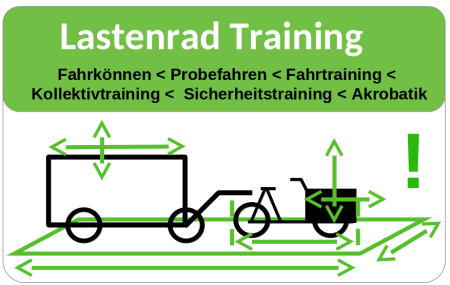
Das angebotene Training dient der Fahrzeugbeherrschung und für die Selbstermächtigung zur nachfolgenden Ausleihe von Rikschas bei den Initiativen der Freien Lastenrädern, insbesondere der RIKSCHA9 und RIKSCHA9 vom SAI-Lab an der Station vom Stadtteilverein Tiergarten e.V.. Mit der kostenlose Leihe von Rikschas, in den Initiativen der Freien Lastenräder, in Deutschland und Europa, wird einerseits das bürgerliche Teilen und Leihen von Lastenrädern umgesetzt, sowie andererseits vielfache persönliche Beitrag zur nachhaltigen Entwicklung und Mobilitätswende ermöglicht.
Friday, May 30, 2025
One of the key challenges in modern road safety is ensuring that driver assistance systems (ADAS) function reliably and accurately in real-world conditions. Among these, the Speed Limit Information Functions (SLIF), which display the current speed limit to the driver, are critical to encouraging compliant and safe driving behavior.
However, if these systems display incorrect or outdated speed information, drivers may unintentionally drive too fast or too slow for the road conditions, increasing the risk of collisions, fines, and public distrust in vehicle technology.
IVEX has developed an innovative platform that enables vehicle manufacturers and consumer testing organizations like Euro NCAP to objectively evaluate how well these systems perform on real roads, not just in simulations or controlled environments.
By enabling large-scale, real-world testing and providing quantifiable performance insights, IVEX helps:
- Manufacturers improve the reliability of their ADAS systems,
- Regulators and safety organizations set smarter standards,
- Consumers make informed decisions about the safety of their vehicles.
Ultimately, IVEX's solution contributes to:
- higher transparency,
- better engineering,
- fewer speed-related accidents.
Helping advancing Europe’s Vision Zero goals and making roads safer for everyone.
However, if these systems display incorrect or outdated speed information, drivers may unintentionally drive too fast or too slow for the road conditions, increasing the risk of collisions, fines, and public distrust in vehicle technology.
IVEX has developed an innovative platform that enables vehicle manufacturers and consumer testing organizations like Euro NCAP to objectively evaluate how well these systems perform on real roads, not just in simulations or controlled environments.
By enabling large-scale, real-world testing and providing quantifiable performance insights, IVEX helps:
- Manufacturers improve the reliability of their ADAS systems,
- Regulators and safety organizations set smarter standards,
- Consumers make informed decisions about the safety of their vehicles.
Ultimately, IVEX's solution contributes to:
- higher transparency,
- better engineering,
- fewer speed-related accidents.
Helping advancing Europe’s Vision Zero goals and making roads safer for everyone.

Friday, May 30, 2025
Cycling to work is sustainable, accessible, inclusive, low-cost, and healthy.
A mental shift – changing attitudes, perceptions, and habits – is essential before a modal shift can occur, because employees must first believe in the safety, practicality, and benefits of cycling before they are willing to change their daily transport choices.
We focus on the risks associated with cycling to work. Many employees lack the safety awareness and practical skills to navigate these challenges.
We identify three core road safety problems:
1. Distraction while cycling: using smartphones, GPS devices, or headphones significantly impairs attention and reaction time.
2. Inappropriate speed, particularly on electric bicycles: the higher speeds of e-bikes require better anticipation and control, yet many cyclists are unaware of the dangers this poses in mixed traffic.
3. Cycling under the influence: alcohol or drug use, even in small amounts, dramatically reduces a cyclist’s coordination and judgment.
These challenges are compounded by a lack of targeted, practical training for adult commuters. Our project uses immersive virtual reality simulations to allow employees to experience these risks in a controlled environment, raising awareness, changing perceptions, and promoting safer cycling behavior. The ultimate goal is achieving a mental and modal shift toward safer, more sustainable mobility choices.
A mental shift – changing attitudes, perceptions, and habits – is essential before a modal shift can occur, because employees must first believe in the safety, practicality, and benefits of cycling before they are willing to change their daily transport choices.
We focus on the risks associated with cycling to work. Many employees lack the safety awareness and practical skills to navigate these challenges.
We identify three core road safety problems:
1. Distraction while cycling: using smartphones, GPS devices, or headphones significantly impairs attention and reaction time.
2. Inappropriate speed, particularly on electric bicycles: the higher speeds of e-bikes require better anticipation and control, yet many cyclists are unaware of the dangers this poses in mixed traffic.
3. Cycling under the influence: alcohol or drug use, even in small amounts, dramatically reduces a cyclist’s coordination and judgment.
These challenges are compounded by a lack of targeted, practical training for adult commuters. Our project uses immersive virtual reality simulations to allow employees to experience these risks in a controlled environment, raising awareness, changing perceptions, and promoting safer cycling behavior. The ultimate goal is achieving a mental and modal shift toward safer, more sustainable mobility choices.